

Are Static Hotel Photos Dead? Why Dynamic Video Content Is Your New Booking Driver
- Lucas Vandenberg
- Jan 26
- 5 min read

Let's be honest: when was the last time a perfectly staged photo of a hotel bed with decorative pillows made you reach for your credit card? Probably never. That pristine, static shot might look professional, but it doesn't make you feel anything.
Here's the thing: travelers in 2025 aren't just booking rooms anymore. They're booking experiences, vibes, and stories. And static photos? They're struggling to keep up with that shift.
Dynamic video content: think drone footage sweeping over coastal cliffs, short-form videos showcasing the local neighborhood, and immersive clips that capture the feel of a property: is rapidly becoming the new booking driver. Whether you're running a boutique hotel or managing a sprawling resort, this visual evolution isn't just a trend. It's a fundamental change in how guests discover and choose where to stay.
The Problem with Picture-Perfect Still Shots
Don't get us wrong: beautiful photography still has its place. A well-composed image of your lobby or suite can anchor your brand identity and works great for certain marketing touchpoints.
But here's where static photos fall short: they can't convey atmosphere.
They can't show the way golden hour light spills across your rooftop bar. They can't capture the sound of waves crashing just steps from the cabana. They can't communicate the energy of your poolside scene on a Saturday afternoon.
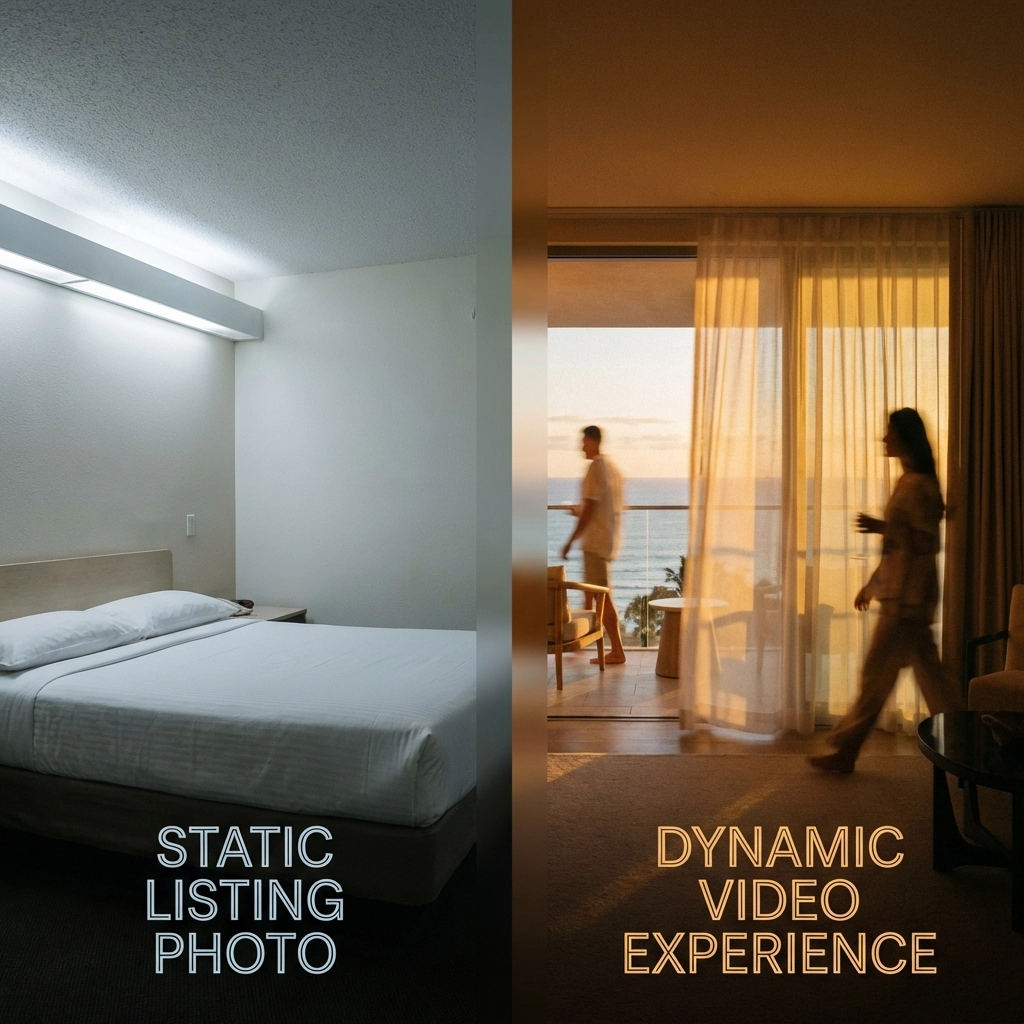
Today's travelers want to visualize themselves in your space before they arrive. They want to imagine walking through your doors, sipping that welcome cocktail, and feeling the breeze on their balcony. Static images show them what your hotel looks like. Dynamic video shows them what it feels like.
And that emotional connection? That's what drives bookings.
Why Video Content Is Winning the Hospitality Game
The data backs this up in a big way. Hotels that have embraced dynamic video content are seeing real results. One boutique California property reported a notable increase in direct bookings after incorporating drone footage into their retargeting campaigns. Why? Because the video conveyed "mood, landscape, and an emotional preview of the stay" that static photos simply couldn't achieve.
Even more compelling: Coast Hotels tested both static and dynamic advertising simultaneously and achieved a 12:1 return on ad spend (ROAS) with dynamic content: roughly doubling their static advertising performance during the same period.
The numbers don't lie. When guests can emotionally connect with your property before booking, they're more likely to commit.
Drone Footage: Your Secret Weapon for Scale and Story
If there's one visual format that's absolutely transformed hotel marketing, it's drone footage. And for good reason.
Drone videos do something no ground-level camera can: they show scale, context, and surroundings in a way that's genuinely breathtaking. For resorts, this means showcasing sprawling grounds, stunning landscapes, and proximity to beaches, mountains, or city skylines. For boutique hotels, it means highlighting the charm of your neighborhood and the unique character of your location.
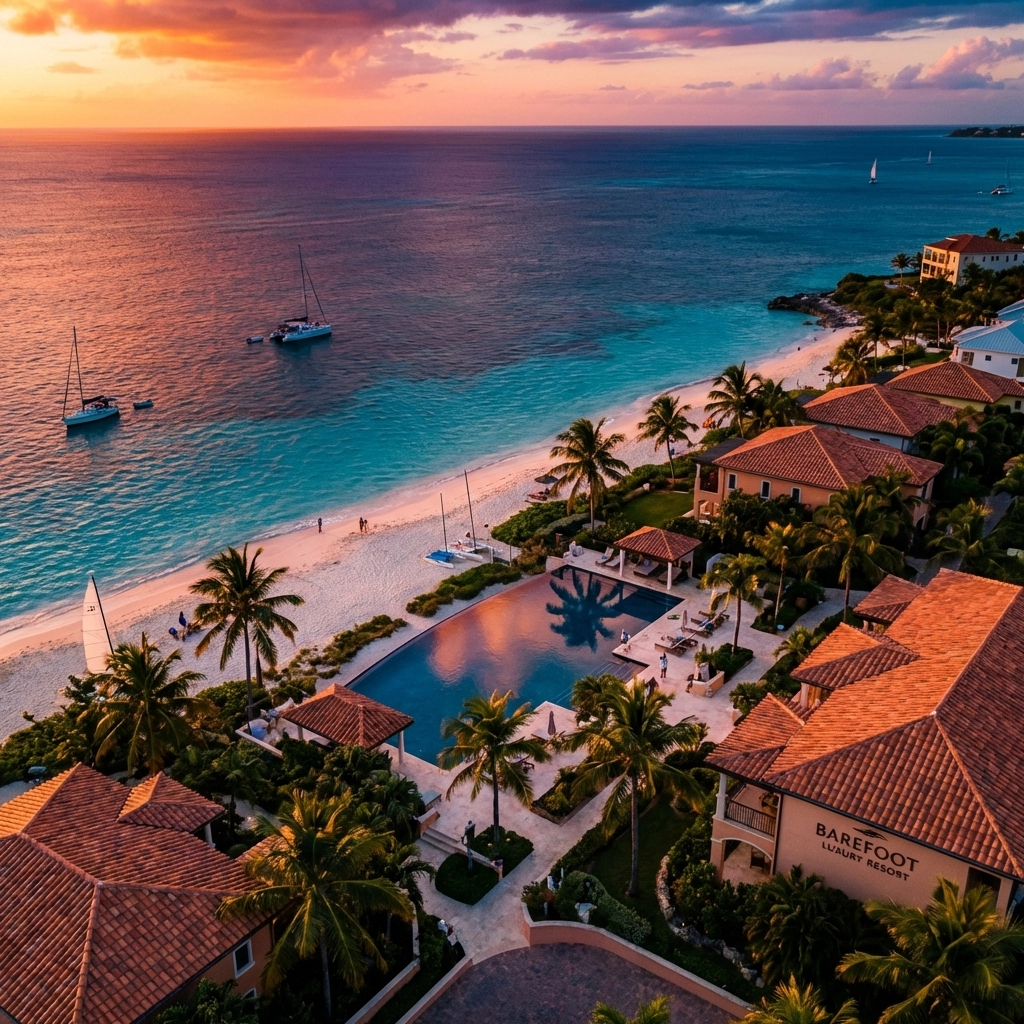
Think about it from a guest's perspective. When you're choosing between two beachfront properties, which one wins? The one with a few static room photos, or the one with sweeping aerial footage that shows the crystal-clear water, the private beach access, and the sunset views from every angle?
We've seen this play out firsthand with our work at Fifty & Five. Take Resorts World, for example. Dynamic video content: including drone footage: has been essential in capturing the scale and energy of the property in ways that static images never could. It's not just about showing rooms; it's about showing the experience of being there.
Local Storytelling: Connecting Guests to Place
Here's where things get really exciting. Beyond showcasing your property, video content lets you tell stories about your location: the neighborhood, the culture, the hidden gems that make your destination special.
This is especially powerful for boutique hotels and properties with strong local ties. Guests aren't just booking a bed; they're booking a gateway to a place. And when your content highlights local cafes, nearby hiking trails, or the artisan shop down the street, you're giving them a reason to choose you over a generic chain.
Short-form videos on platforms like TikTok and Instagram Reels are perfect for this kind of storytelling. Quick clips of the local farmers market, a walkthrough of the neighborhood at golden hour, or a behind-the-scenes look at your chef sourcing ingredients from nearby vendors: these moments create authenticity and connection that polished brand videos often miss.
At Fifty & Five, we've leaned into this approach with properties like Barsha, where the local food scene and neighborhood character are as much a part of the brand as the space itself. Short-form content that highlights these elements doesn't just perform well: it builds genuine community and loyalty.
Practical Tips for Making the Shift
Ready to embrace dynamic video content for your property? Here's how to get started without overwhelming your team or budget:
1. Start with What You Have
You don't need a Hollywood production budget. Smartphones shoot incredible video these days, and platforms like Instagram and TikTok actually favor authentic, less-polished content. Start by capturing small moments: a barista making morning coffee, the view from your best suite, guests enjoying the pool.
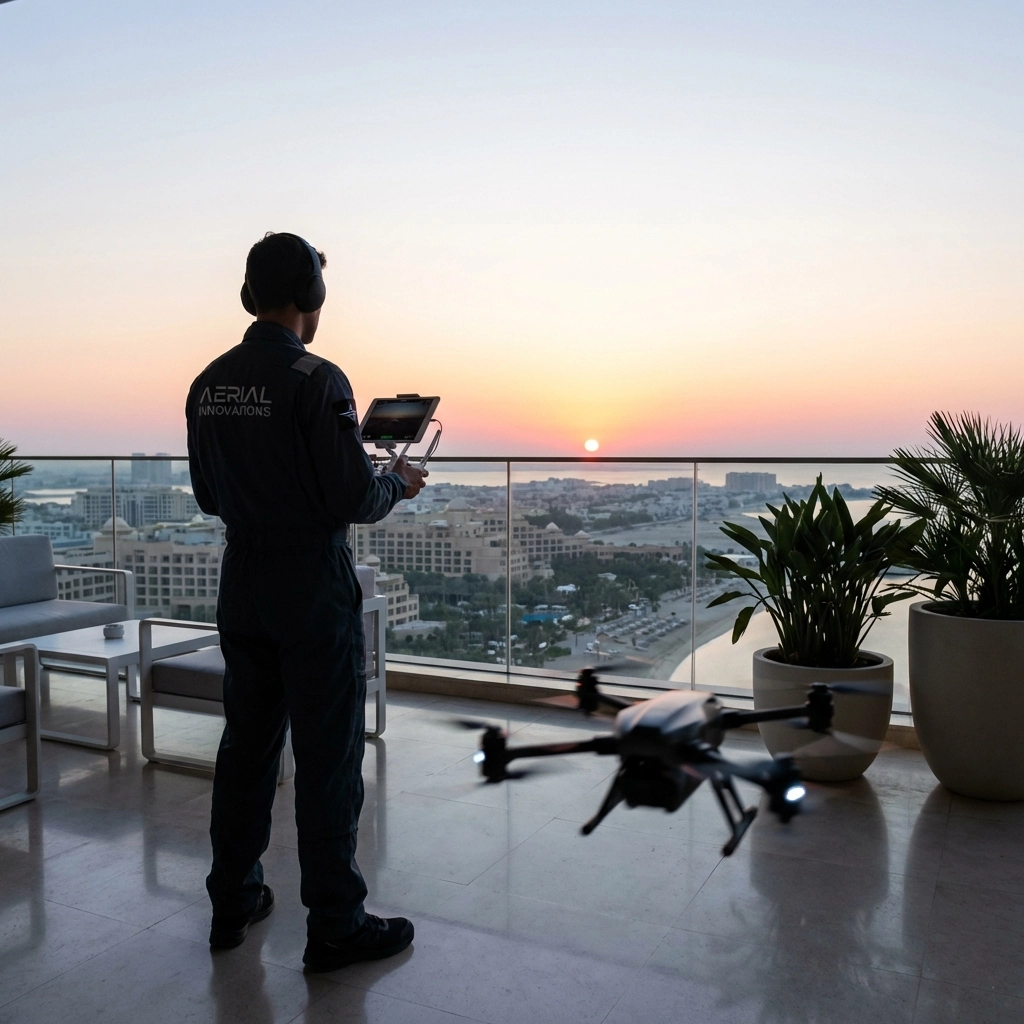
2. Invest in Drone Footage
This is one area where professional help pays off. A single drone shoot can give you months' worth of content: hero shots for your website, clips for social media, and footage for paid advertising. It's an investment that keeps delivering.
3. Tell Local Stories
Partner with nearby businesses, feature local artisans, and showcase the unique character of your destination. This kind of content differentiates you from competitors and resonates with travelers seeking authentic experiences.
4. Repurpose Strategically
One video shoot can fuel multiple channels. Cut longer footage into short-form clips for Reels and TikTok. Use aerial shots in your retargeting ads. Feature behind-the-scenes moments in your email marketing. Maximize every piece of content.
5. Combine Static and Dynamic
The best approach isn't either/or: it's both. Use static images for foundational brand awareness and supplement with video for engagement and conversions. Let each format play to its strengths.
The Future of Visual Hospitality Marketing
Here's the visionary take: we're only at the beginning of this shift.
As platforms continue prioritizing video content, as guests increasingly expect immersive previews before booking, and as technology makes high-quality production more accessible, dynamic video will become the baseline expectation: not a differentiator.
The hotels that embrace this now: investing in drone footage, local storytelling, and authentic short-form content: will build deeper connections with guests and drive more direct bookings. The ones that cling to static galleries alone will find themselves blending into the background.
The question isn't whether static hotel photos are completely dead. They're not: not yet. But they're no longer enough on their own. The properties that win in 2025 and beyond will be the ones that make guests feel something before they ever walk through the door.
And that feeling? It starts with movement, story, and a camera that doesn't stand still.
Ready to transform your hotel's visual storytelling strategy? Let's talk about how dynamic video content can drive bookings and build your brand.
Comments